eo_logo
 
Product added to cart

Edmund Optics®

Knowledge Center

 Verified library of trusted technical resources created by our 240+ global engineers.
Filter
Search Results for: Specialty Lights (30)

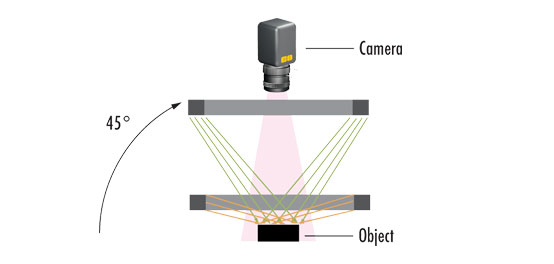
Edmund Optics Imaging Lab 3.7: Line Lights

Learn how to specify imaging system components.

View Now Add to saved content

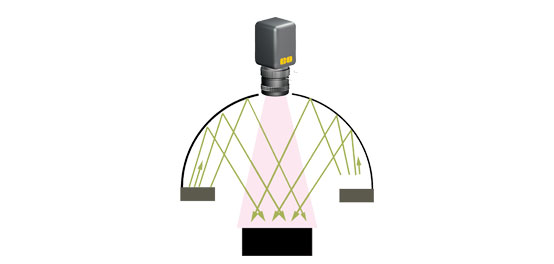
Edmund Optics Imaging Lab 3.6: Dome Lights

Learn how to specify imaging system components.

View Now Add to saved content

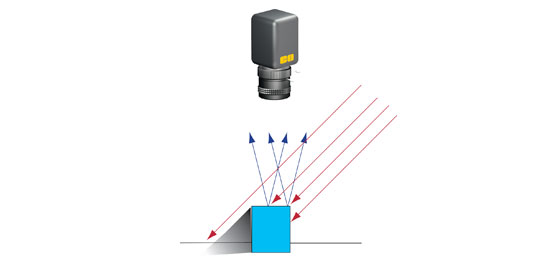
Edmund Optics Imaging Lab 3.4: Directional Illumination of Ring Lights

Learn how to specify imaging system components.

View Now Add to saved content

Brightfield Illumination with Dome Lights for Machine Vision

Learn about integrating brightfield dome lights into vision systems

View Now Add to saved content

Brightfield Illumination with Spot and Bar Lights for Machine Vision

Learn about how to show different objects (diffuse and specular) with partial brightfield illumination using a white spot light or bar light.

View Now Add to saved content

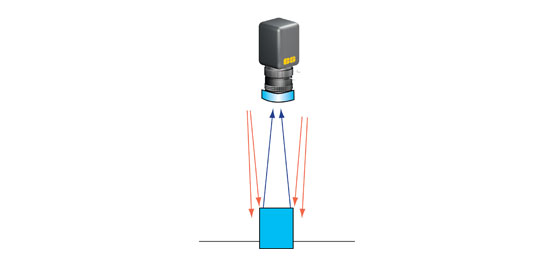
Brightfield Illumination with Ring Lights for Machine Vision

Learn more about integrating brightfield ring lights into vision systems

View Now Add to saved content

Darkfield Illumination with Ring Lights for Machine Vision

Learn more about integrating darkfield ring lights into vision systems

View Now Add to saved content

Edmund Optics Imaging Lab 3.8: Sneak Peek at Future Modules

Learn how to specify imaging system components.

View Now Add to saved content

Edmund Optics Imaging Lab Module 3: Illumination Overview

Learn how to specify imaging system components.

View Now Add to saved content

What are the advantages of Fiber Optic Illumination?

View Now Add to saved content

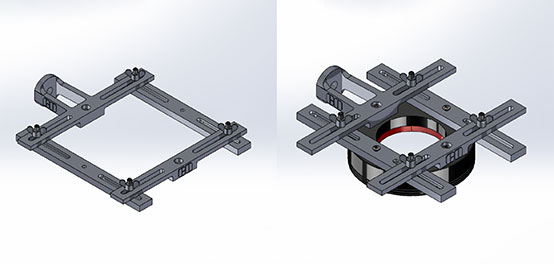
Illumination Mounts for Machine Vision Applications

Explore a wide selection of machine vision lighting at Edmund Optics from top brands and download free 3D printed mounts for various lighting geometries.

View Now Add to saved content

Can I cure UV adhesives without a UV light source?

View Now Add to saved content

What is the advantage of high frequency illumination?

View Now Add to saved content

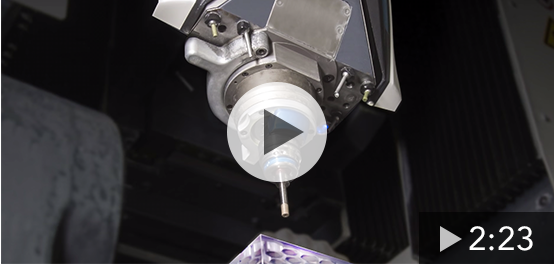
CNC Glass Machining

Edmund Optics® utilizes a wide range of CNC machining equipment including ultrasonic machining and high speed cutting (HSC) technology from DMG MORI® for the machining of complex optical component geometries.

View Now Add to saved content

Machine Vision Filter Technology

While working with machine vision, there are different types of filters that can be used to alter the image. Find out about the different types at Edmund Optics.

View Now Add to saved content

What are the advantages of LED Illumination?

View Now Add to saved content

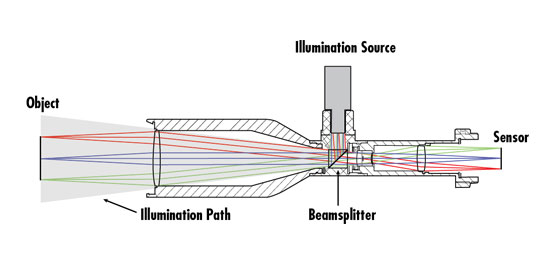
In-line Telecentric Illumination for Machine Vision

View Now Add to saved content

CNC Glass Machining

Computer Numerical Control (CNC) machines used for complex geometry manufacturing are expanding their material capabilities. Learn more at Edmund Optics.

View Now Add to saved content

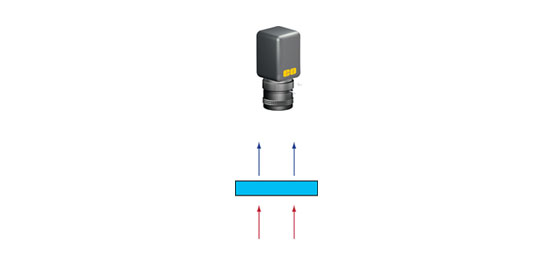
Backlight Illumination for Machine Vision

Learn about the use cases for a backlight, its advantages in industrial inspection and metrology, and the key considerations for integration into vision systems.

View Now Add to saved content

Common Illumination Types

Not sure which type of illumination you should use for your system? Learn more about the pros and cons of different illumination types at Edmund Optics.

View Now Add to saved content

Metallic Mirror Coatings

Want to learn more about metallic mirror coatings? Find information about standard and custom metallic mirror coatings that are available at Edmund Optics.

View Now Add to saved content

Hyperspectral and Multispectral Imaging

Hyperspectral imaging (HSI) and multispectral imaging (MSI) are two related technologies that make use of specialized vision systems to acquire extra image information from extended regions of the electromagnetic spectrum aside from the visible spectrum.

View Now Add to saved content

Lens Geometry Performance Comparison

This comparison of the performance of aspheric, achromatic, and spherical PCX lenses in different situations reveals the ideal use cases for each type of lens.

View Now Add to saved content

Ruggedized Imaging Systems for Harsh Environments

The growth of automation has introduced machine vision lenses to more harsh environments involving shock, vibration, contaminants, and temperature swings.

View Now Add to saved content

Fundamentals of Lasers

Lasers can be used for a variety of applications. Learn how lasers work, different elements, and the differences between laser types at Edmund Optics.

View Now Add to saved content

Chromatic and Monochromatic Optical Aberrations

Are you looking to design or correct the optical aberation for a system? Learn more about chromatic and monochromatic optical aberations at Edmund Optics.

View Now Add to saved content

Best Practices for Better Imaging

Do you use imaging systems constantly in your professional field? Learn top tips for improving your imaging system and practices at Edmund Optics.

View Now Add to saved content

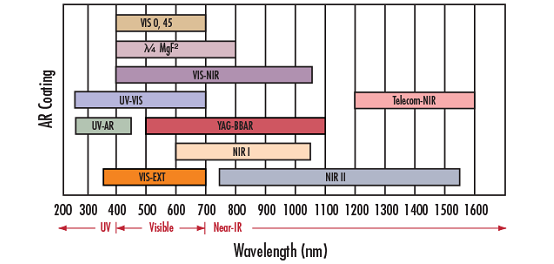
Anti-Reflection (AR) Coatings

Anti-reflection (AR) coatings are applied to optical components to increase throughput and reduce hazards caused by back-reflections.

View Now Add to saved content

Multiphoton Microscopy

Multiphoton microscopy is ideal for capturing high-resolution 3D images with reduced photobleaching and phototoxicity compared to confocal microscopy.

View Now Add to saved content

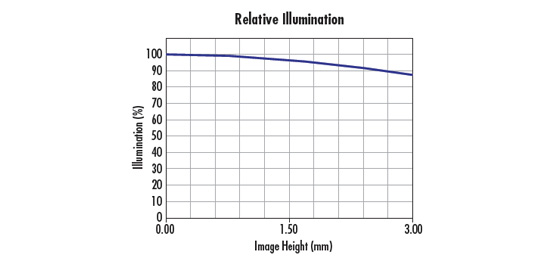
Relative Illumination, Roll-Off, and Vignetting

In order to understand vignetting, it is important to understand sensor sizes, formats, and roll-off and relative illumination. Find out more at Edmund Optics.

View Now Add to saved content