eo_logo
 
Product added to cart

Edmund Optics®

Knowledge Center

 Verified library of trusted technical resources created by our 240+ global engineers.

Filter
Search Results for: VIS-NIR Imaging (400-1000 nm) (160)

What is Imaging?

In imaging, light rays are mapped from an object onto an imaging sensor by an imaging lens, to reproduce the characteristics and likeness of the object for the purposes of inspection, sorting, or analysis.

View Now Add to saved content

Imaging Fundamentals

Want to understand the basic concepts of imaging? Learn more about essential terms and how they incorporate in the imaging industry at Edmund Optics.

View Now Add to saved content

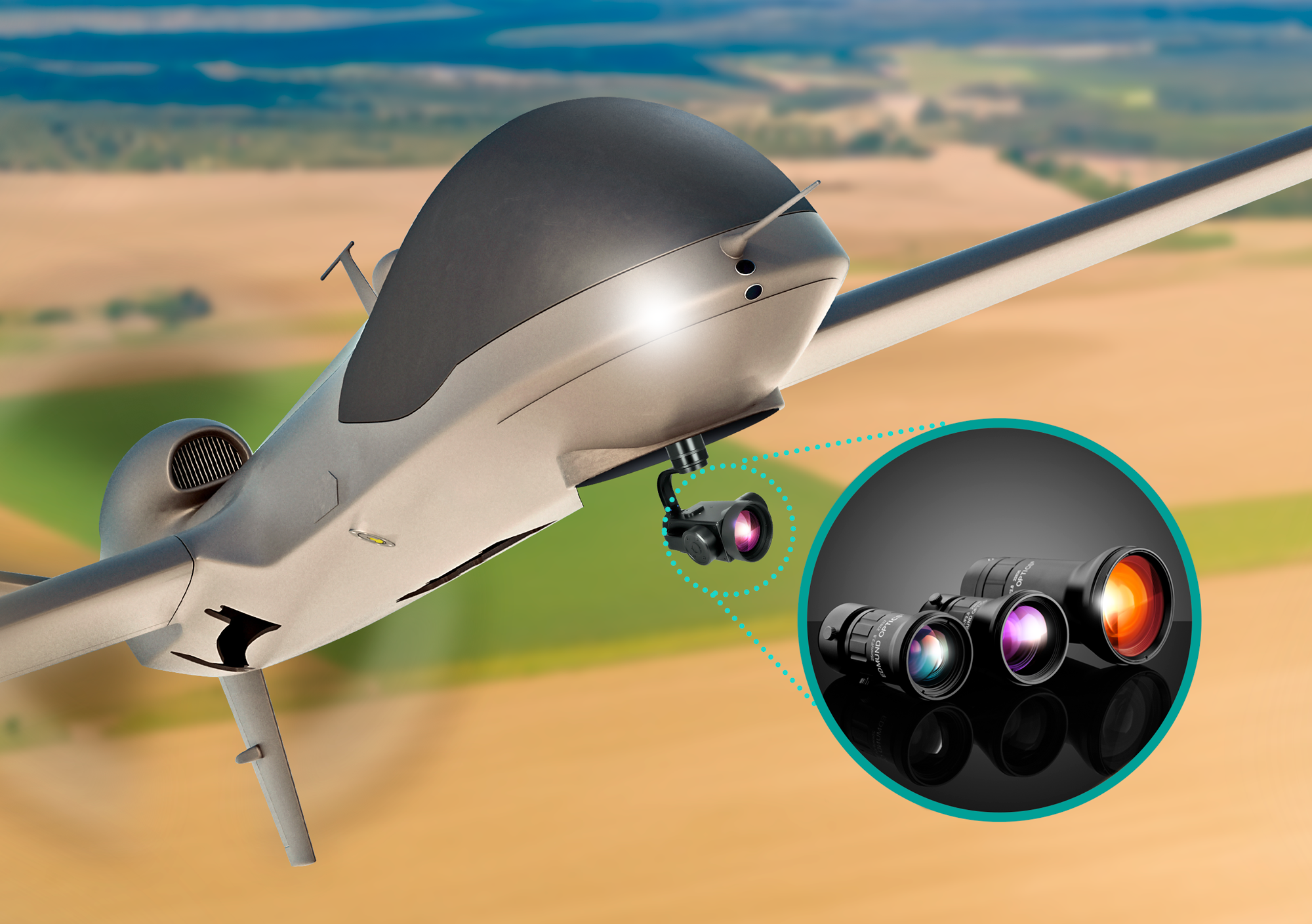
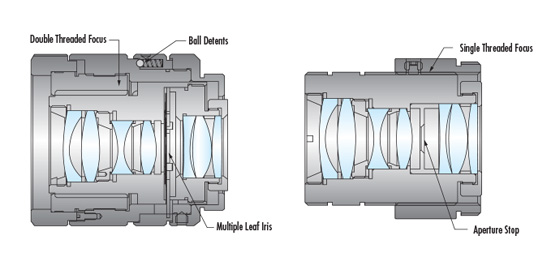
Imaging Lenses for UAVs

The lenses used for high-resolution unmanned aerial vehicles (UAVs) have unique requirements beyond those of standard imaging lenses.

View Now Add to saved content

Best Practices for Better Imaging

Do you use imaging systems constantly in your professional field? Learn top tips for improving your imaging system and practices at Edmund Optics.

View Now Add to saved content

Ruggedization of Imaging Lenses

Have an application in a demanding environment? Learn about the different types of ruggedization: industrial, ingress protection, and stability at Edmund Optics.

View Now Add to saved content

Polarizer Selection Guide

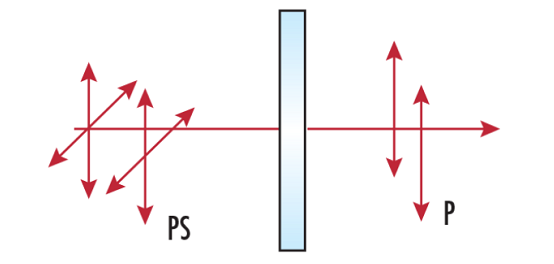
Edmund Optics' Polarizer Selection Guide refines your search for a specific type of polarizer.

View Now Add to saved content

Hyperspectral and Multispectral Imaging

Are you trying to gauge depth of field in your imaging system? Take a closer look at this article on depth of field calculations at Edmund Optics.

View Now Add to saved content

Anti-Reflection (AR) Coatings

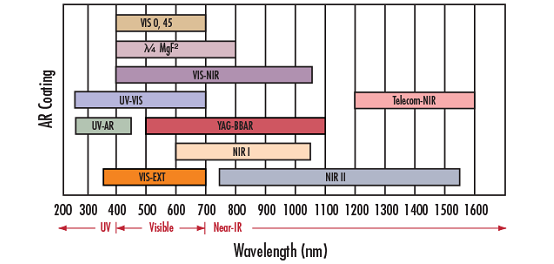
Anti-reflection (AR) coatings are applied to optical components to increase throughput and reduce hazards caused by back-reflections.

View Now Add to saved content

Acktar Advanced Coatings

Discover Acktar's leading light absorbing materials and coatings for stray light suppression in UV, VIS, SWIR, and MWIR wavelengths at Edmund Optics.

View Now Add to saved content

Machine Vision for Golf Simulators

Imaging lenses are critical components of the quickly-growing golf simulator market. Learn how to select the right lenses and cameras!

View Now Add to saved content

Cardiac Imaging using the Chromacity 1040

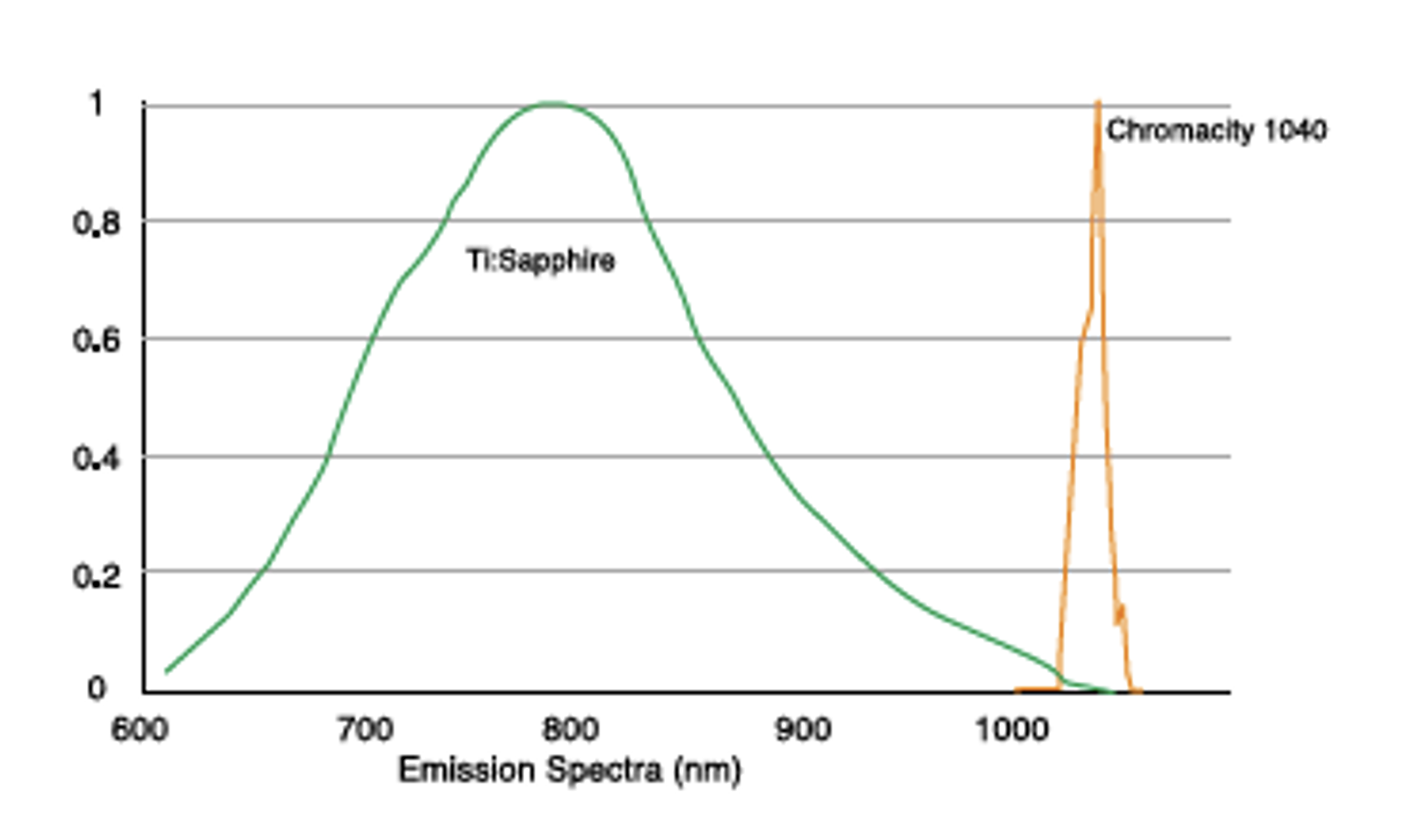
This application note compares the Chromacity 1040 and Ti:Sapphire two-photon lasers for enhanced fluorescence-based functional measurements at depth in the intact heart.

View Now Add to saved content

Medical Imaging with Filters and Quantum Dots

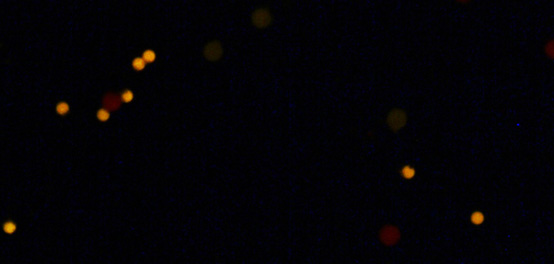
Fluorescence microscopy can be influenced by product or specification differences, which can be seen using comparative images. Learn more at Edmund Optics.

View Now Add to saved content

Fluorescence Imaging with Laser Illumination

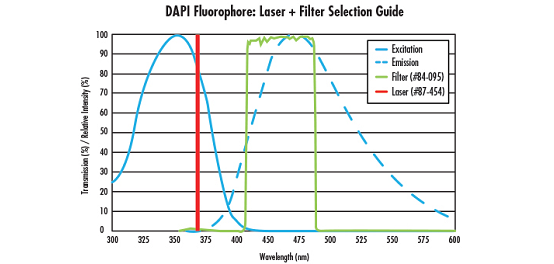
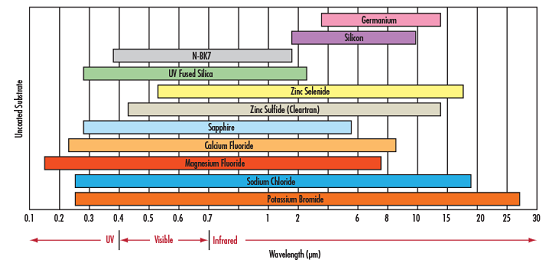
Fluorescence imaging systems are composed of three major components, an illumination source, a photo-activated fluorophore sample, and detector.
View Now Add to saved content

Fluorescence Microscopy: In-Line Illumination with Imaging Filters

Want to know about fluorescence microscopy? Read this article by a Biomedical Product Line Engineer at Edmund Optics to learn more.
View Now Add to saved content

Imaging Electronics 101: Understanding Camera Sensors for Machine Vision Applications

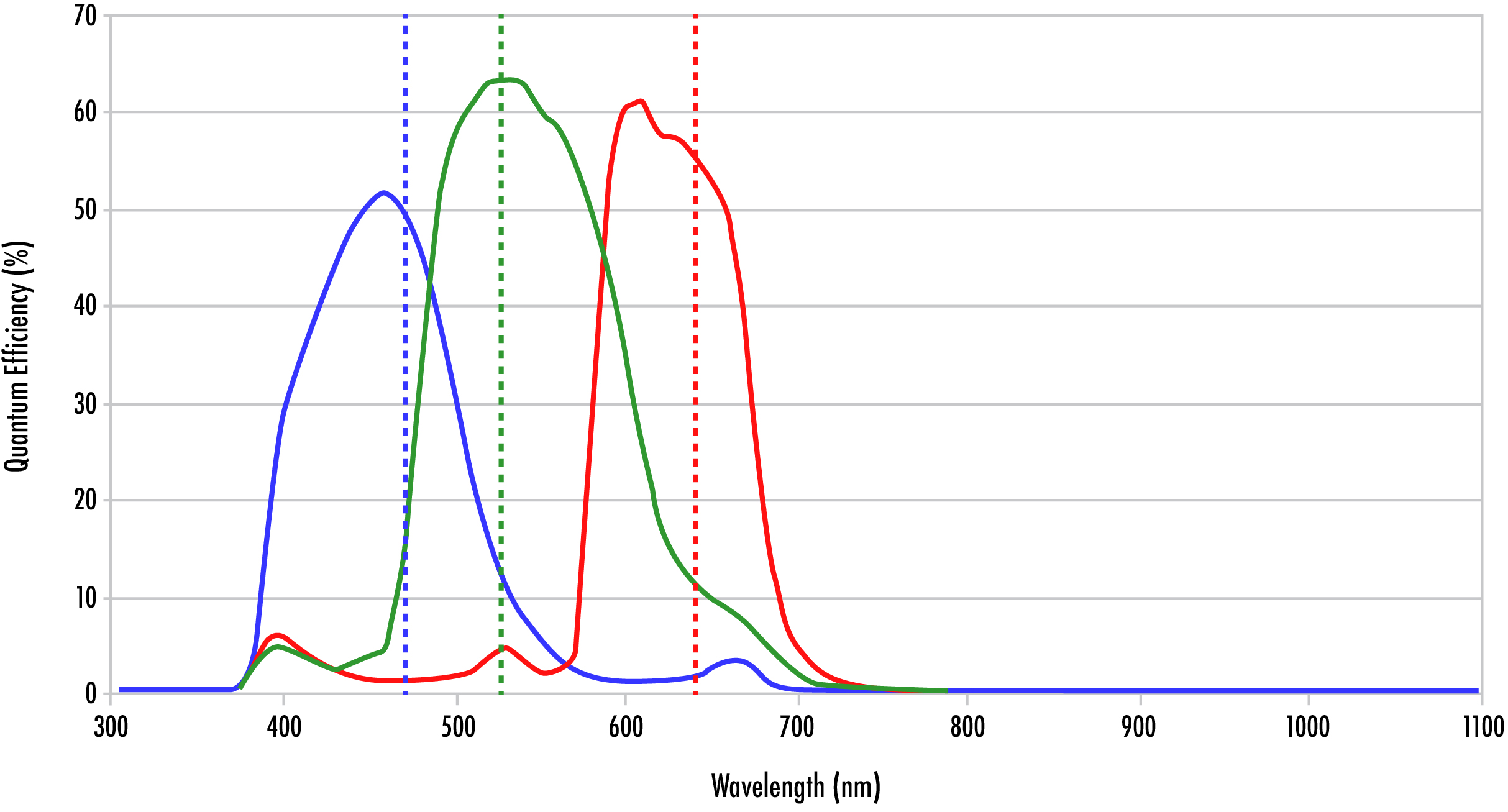
The performance of an imaging system relies on a number of things, including imaging electronics. Before using your imaging system, learn about camera sensors at Edmund Optics.

View Now Add to saved content

Multiphoton Microscopy

Multiphoton microscopy is ideal for capturing high-resolution 3D images with reduced photobleaching and phototoxicity compared to confocal microscopy.

View Now Add to saved content

Imaging Electronics 101: Camera Resolution for Improved Imaging System Performance

Camera resolution is one of the many aspects contributing to the quality of your imaging system. Find key parameters and tech tips at Edmund Optics.

View Now Add to saved content

Imaging Electronics 101: Basics of Digital Camera Settings for Improved Imaging Results

Do you want to improve your imaging results? Go back to the basics of camera settings, learn how these important aspects can affect your image at Edmund Optics.

View Now Add to saved content

Operating vs. Storage Temperature of Imaging Lenses

Why do imaging lenses have both a storage temperature and operating temperature specification? What's the difference?

View Now Add to saved content

Not All Imaging Lenses Are Created Equal - Lab Example

This lab shows how two machine vision lenses with the same core specifications can perform very differently in reality.

View Now Add to saved content

Gauging Depth of Field in Your Imaging System

Are you trying to gauge depth of field in your imaging system? Take a closer look at this article on depth of field calculations at Edmund Optics.

View Now Add to saved content

Characteristics of 2µm Lasers

Laser Optics for 2μm lasers require very specific types of materials such as fused silica and germanium. Learn more at Edmund Optics.

View Now Add to saved content

The Correct Material for Infrared (IR) Applications

Using an Infrared Application? Discover the importance of choosing the right material and comparisons of each at Edmund Optics.

View Now Add to saved content

The Benefits of Color-Corrected Optical Lenses

Color-corrected optical lenses are ideal for many applications because they reduce multiple aberrations. Learn more about the advantages at Edmund Optics.

View Now Add to saved content

Lens Geometry Performance Comparison

This comparison of the performance of aspheric, achromatic, and spherical PCX lenses in different situations reveals the ideal use cases for each type of lens.

View Now Add to saved content

Sensor Performance and Limitations

View Now Add to saved content

Cameras

Are you new to imaging or looking for a refresh on camera types? Learn about the advantages to camera types, digital interfaces, and more at Edmund Optics.

View Now Add to saved content

Resolution

Do you want to understand how a lens works? To do so, you must learn key terms for how the lens functions, including resolution. Find out more at Edmund Optics.

View Now Add to saved content

Understanding Neutral Density Filters

Neutral Density (ND) Filters are designed to evenly reduce transmission. For more information on specifications and products, read more at Edmund Optics.

View Now Add to saved content

Optics 101: Level 1 Theoretical Foundations

Have a question about theoretical foundations? Find out more about the electromagnetic spectrum, interference, reflection, and more at Edmund Optics.

View Now Add to saved content