eo_logo
 
Product added to cart

Edmund Optics®

Knowledge Center

 Verified library of trusted technical resources created by our 240+ global engineers.
Filter
Search Results for: High LDT Waveplates (309)

Polarization Overview - Part 2: Waveplates & Retarders (Advanced)

Waveplates and retarders are optical components designed to transmit light while modifying its polarization state without attenuating, deviating, or displacing the beam.

View Now Add to saved content

What is the advantage of high frequency illumination?

View Now Add to saved content

Understanding Waveplates and Retarders

Waveplates (retarders) are different when used in polarized light than unpolarized light. Consider terminology, fabrication, or applications at Edmund Optics.

View Now Add to saved content

High Reflectivity Mirrors for Laser Applications

The industry standard method for quantifying reflectivity does not tell the whole story

View Now Add to saved content

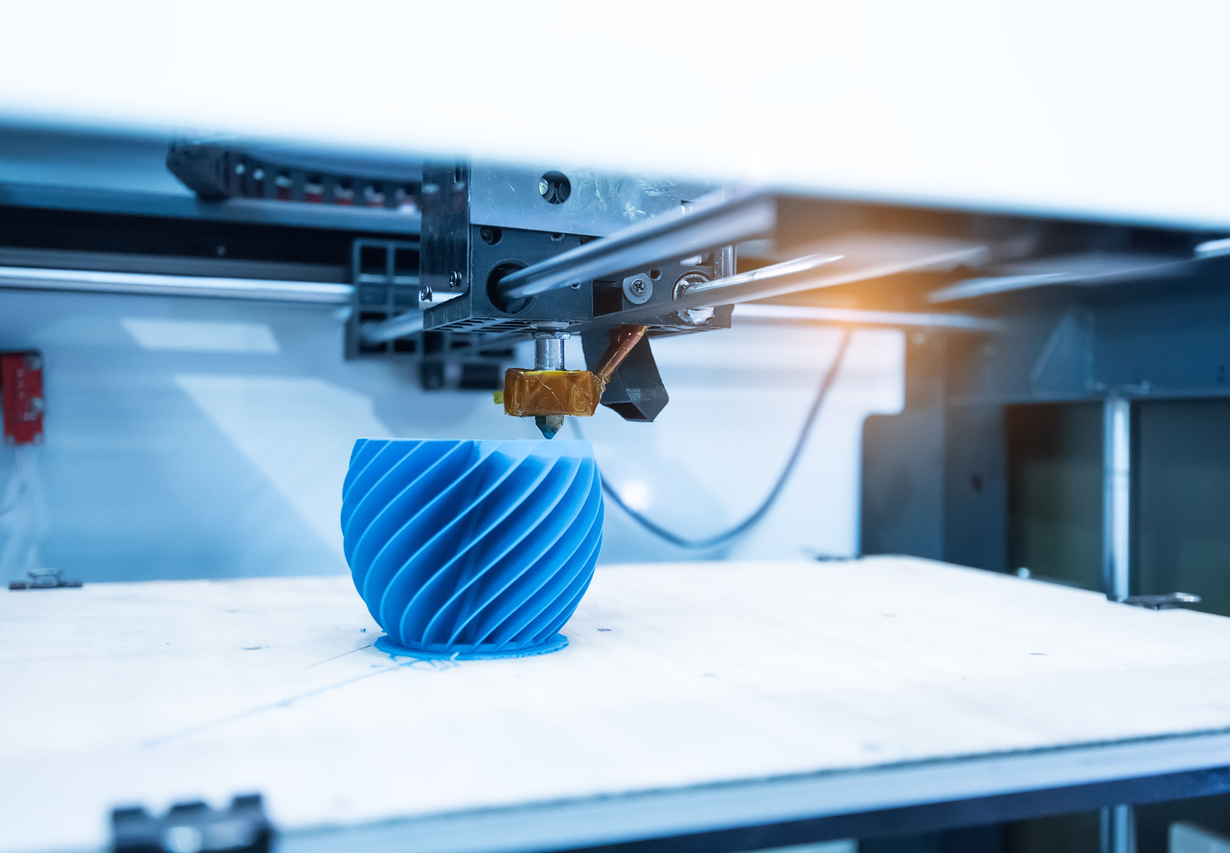
Can high-precision optics be 3D printed?

View Now Add to saved content

Powered by Edmund Optics: High Performance Sensing by Ocular Robotics

The Future Depends on Optics®

View Now Add to saved content

What are the advantages of increasing lens diameter in high-power optical systems?

Increasing the diameter of optical components reduces power or energy density in a system, reducing the likelihood of laser-induced damage in high-power...

View Now Add to saved content

How do I use high performance laser line bandpass and laser line longpass filters as pairs in raman spectroscopy?

View Now Add to saved content

High-End Asphere Design for Manufacturability

Edmund Optics' asphere experts discuss the benefits of using aspheres in optical system design and the factors that need to be taken into account during the design process.

View Now Add to saved content

High Reflectivity Mirrors for Laser Applications

Edmund Optics' panel of laser optics experts discuss why the industry standard of measuring transmission to infer the reflectivity of high reflectivity laser mirrors doesn’t tell the whole story.

View Now Add to saved content

I would like to use your Off-Axis Mirror in a laser application with high temperatures. What is the maximum damage threshold and temperature limit these mirrors can withstand?

View Now Add to saved content

Does Edmund Optics still use magnetorheological finishing for high quality aspheres?

View Now Add to saved content

High Laser Damage AR Coatings

Laser optics high reflectivity mirrors meet exceptional specifications that Edmund Optics' competitors often fail to meet. Learn more at Edmund Optics.

View Now Add to saved content

Introduction to Laser Damage Threshold (LDT)

View Now Add to saved content

The Complexities of High-Power Optical Coatings

Want to know more about high-power optical coatings? Find out more about the importance, fabrication, and testing at Edmund Optics.

View Now Add to saved content

Diamond-Like Carbon and High-Durability AR Coatings

Diamond-like carbon (DLC) coatings are a type of highly durable, anti-reflective optical coating ideal for defense applications and other harsh environments.

View Now Add to saved content

Handling and Storing High Power Laser Mirrors

Check out these best practices for handling and storing high power laser mirrors to decrease the risk of damage and increase lifetimes at Edmund Optics.

View Now Add to saved content

Large Aspheres: Enabling High-Power Optical Systems

Large diameter aspheric lenses enable high-power optical systems, but several key considerations must be taken into account during their fabrication process.

View Now Add to saved content

Testing the Limits: LDT considerations when selecting laser optics

View Now Add to saved content

You offer many types of polarizers. What are some key benefits to help me decide which is best for my application?

View Now Add to saved content

What is the difference between multiple and zero-order retarders and when should I pick one over the other?

View Now Add to saved content

Alignment and Metrology Tools for Optical Assemblies

Join us for a discussion about the equipment and techniques needed to properly align optical assemblies and verify their key performance requirements.

View Now Add to saved content

Alignment and Metrology Tools for Optical Assemblies

Join us for a discussion about the equipment and techniques needed to properly align optical assemblies and verify their key performance requirements.

View Now Add to saved content

Creating High-Precision Glass for NIR Lasers

View Now Add to saved content

Hybrid optics offer high-end performance

View Now Add to saved content

Use Wavelength to Your Advantage in High-Resolution Imaging

View Now Add to saved content

Polarization Overview - Part 1: Polarization Basics

Polarizers are optical components designed to filter, modify, or analyze the various polarization states of light.

View Now Add to saved content

Combatting thermal lensing in high-power ultrafast laser systems

View Now Add to saved content

Edmund Optics features high-precision optical filters for industry

View Now Add to saved content

Design Considerations for New High Resolution and Frame Rate CMOS Sensors

View Now Add to saved content